South Dunedin Public Library & Community Centre
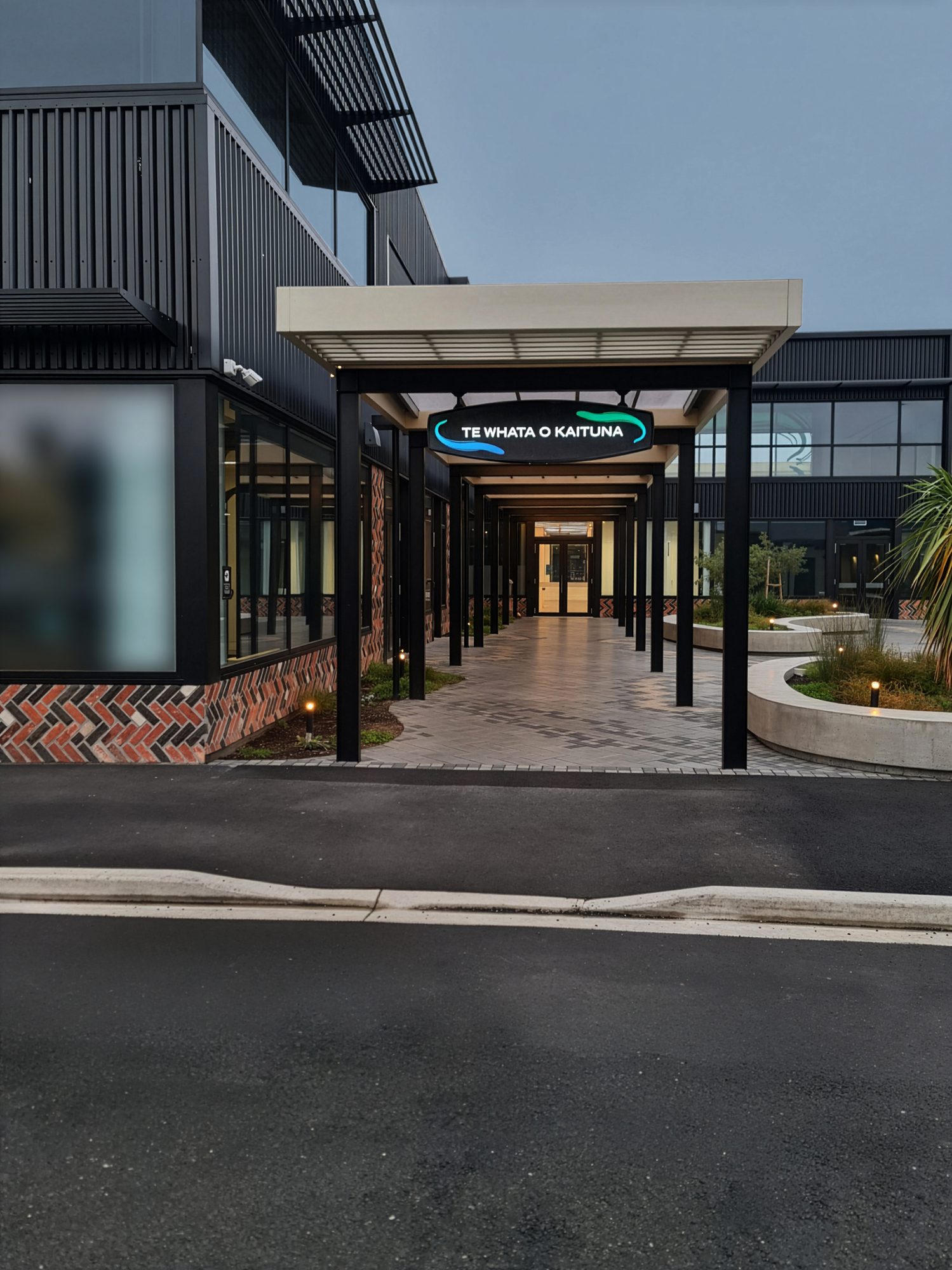
South Dunedin Public Library & Community Centre is a welcoming civic centre featuring an accessible library, DCC service centre, community meeting spaces, a maker space (self-directed learning and crafting environment), and a recording studio. Making it even more welcoming is a wayfinding solution that communicates effectively with visitors.
A place for everyone
Given the multitude of services available within the building, clear wayfinding is critical in the creation of a functional space, where visitors can find their way as quickly as they can locate a book on the shelf or access help at the DCC service centre. Beyond clear navigation, the signage also had to support the design of the building. This was a space created to feel inviting and relaxing as opposed to the utilitarian feel of civic buildings of the past. Therefore the signage had to inform, whereas previously it may have shouted.
Readable by everyone
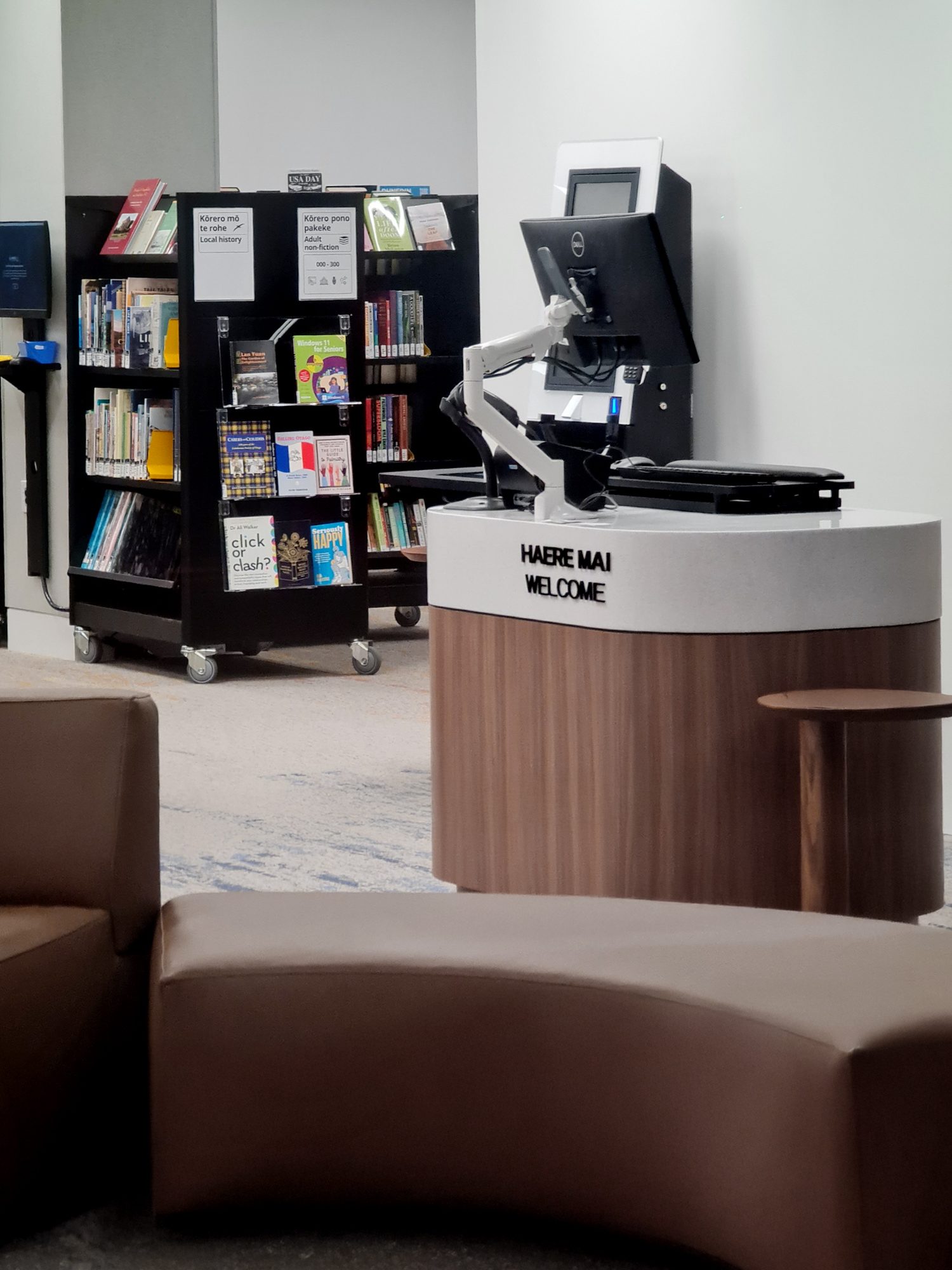
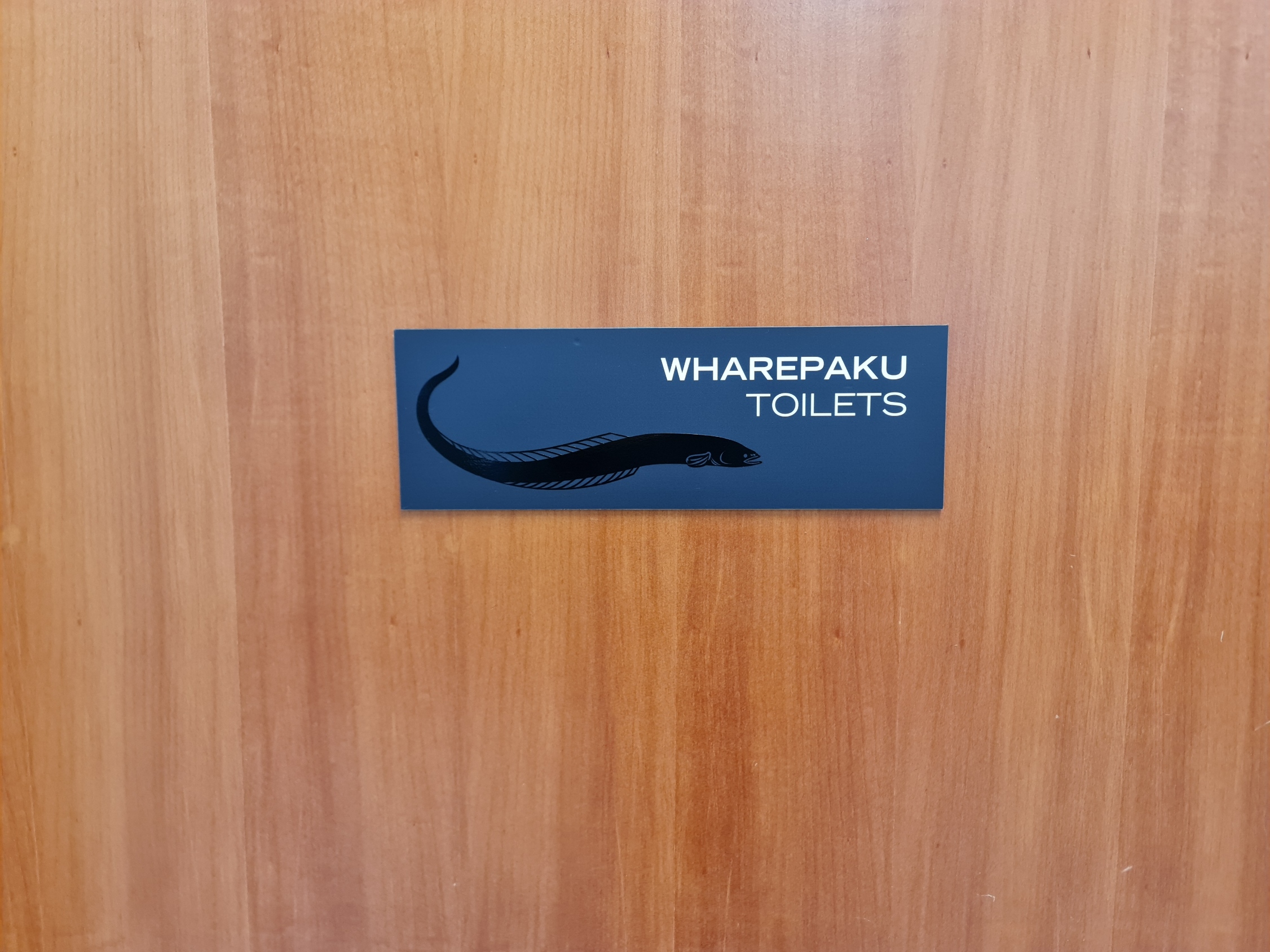
Serving a broad community with visitors of different ages and from varying backgrounds, communicating clearly needed to overcome challenges of comprehension. All signage needed to be in English and te reo Māori, with both easily readable from distance.
Introducing Intuitiveness
In civic spaces, wayfinding has to feel intuitive and easy in order to help reduce anxiety and prevent embarrassment. Not doing so undermines the purpose of the building and does a disservice to the community. So the task here was to make sure wayfinding was always inviting and supported easy journeys. Te reo Māori and English carried equal weight so every welcome was equal and the solution introduced a simplicity that made the most of contrasting colours.
Making it obvious
The installed system covers the whole visit:
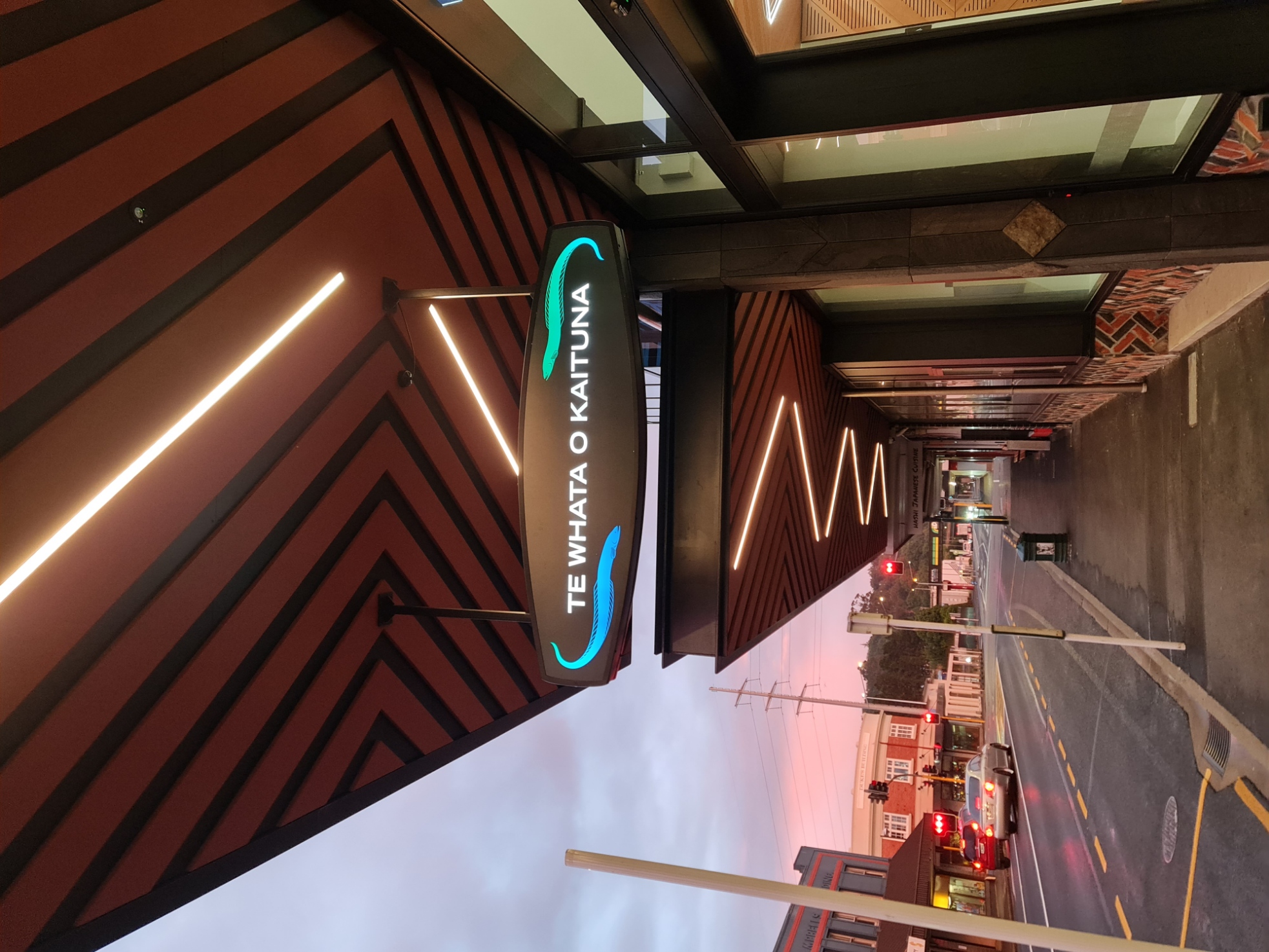
- Covered-entry identification and welcome
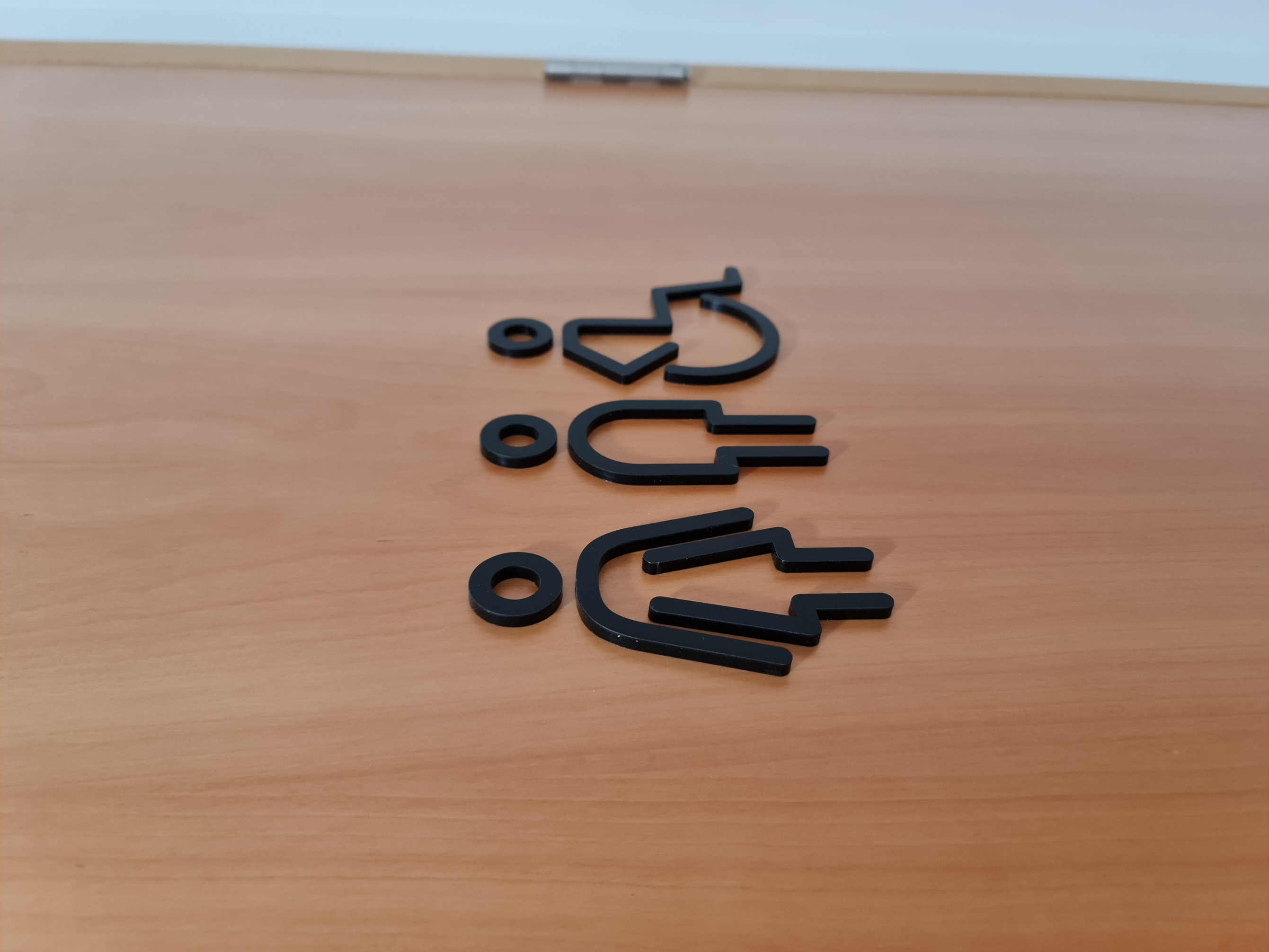
- Bilingual directional and service signage
- Library, meeting and community-space identification
- Accessible, staff and back-of-house wayfinding

A community building to be proud of
A visitor to South Dunedin Public Library can enter for the first time and easily find their way to the exact book they’re looking for. They can find their way to the DCC service centre and utilise the services. They can even head straight for the maker room and create something remarkable. Anyone and everyone can do this, which is exactly why the building is there and why the wayfinding works. It greets people in their own language and helps them feel at home and part of the community. Which is the entire point, really.


End to end.

